 Nadia Shenasi
Bioluminescence is a cinematic 3D self-portrait told through a type reveal. Set within an imagined underwater world, the sequence follows luminous organic forms and an architectural framework toward the emergence of the letter N.
Developed under the concept Scaffolding, the project explores personal growth and the people who help us move forward. I translated that idea into a visual relationship between fluid forms, supporting geometry, and light.


At sixteen, I spent three months working at an aquarium. I was apprehensive at first, but the experience became something I loved. It deepened my fascination with marine life and showed me how unfamiliar experiences can help us grow. That connection between the ocean and personal transformation became the foundation of this project’s visual world.
The scaffolding metaphor came from a friend who has since passed away. He described people as scaffolding: they help us reach a place in life, and then they are gone. His words gave the sequence its emotional meaning. The organic forms and surrounding framework express the relationship between growth and the support that makes it possible.
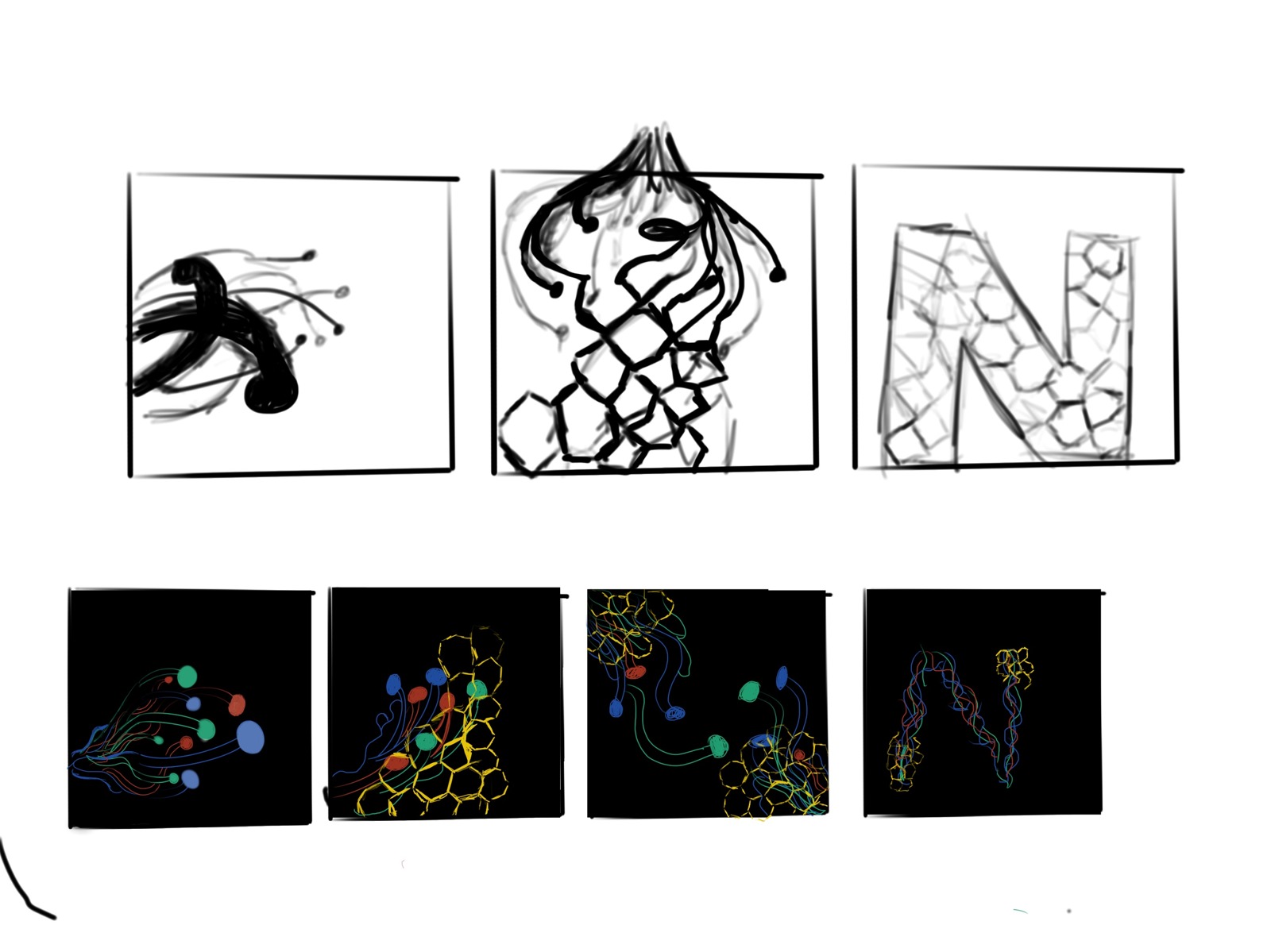
The visual direction brings together two contrasting references: the delicate structures of marine life and the supporting geometry of architectural scaffolding. Early sketches established a progression from close detail to a wider view, allowing the forms to read first as an environment and ultimately as a letter.
I developed the sequence through drawing, colour studies, and lighting tests, exploring how translucent surfaces and a dark surrounding space could create a sense of scale, depth, and discovery.
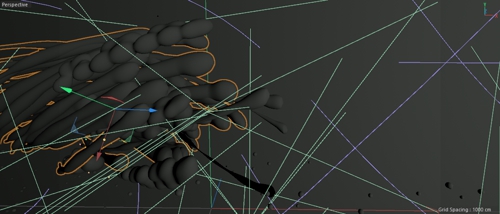
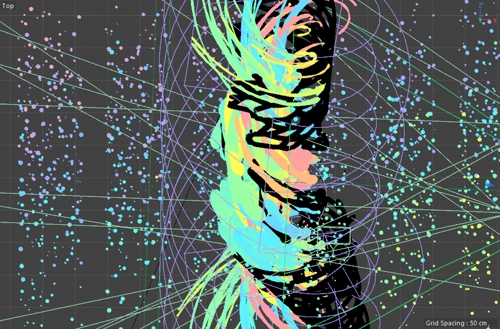
02 / Production — Scene, Materials & Lighting
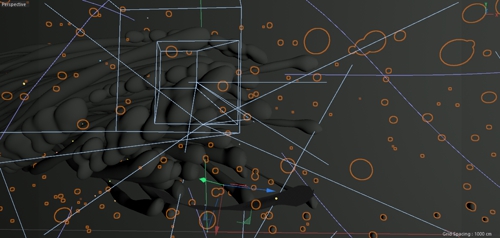
I developed the scenes in Cinema 4D and used Substance shaders to create the materials. Surface treatments gave the organic forms their translucent character, while the surrounding framework provided a sharper, more geometric counterpoint.
Material and lighting studies shaped the relationship between the forms, their reflections, and the surrounding darkness. Rendering separate passes in Arnold carried those decisions into post-production while preserving control over individual elements.
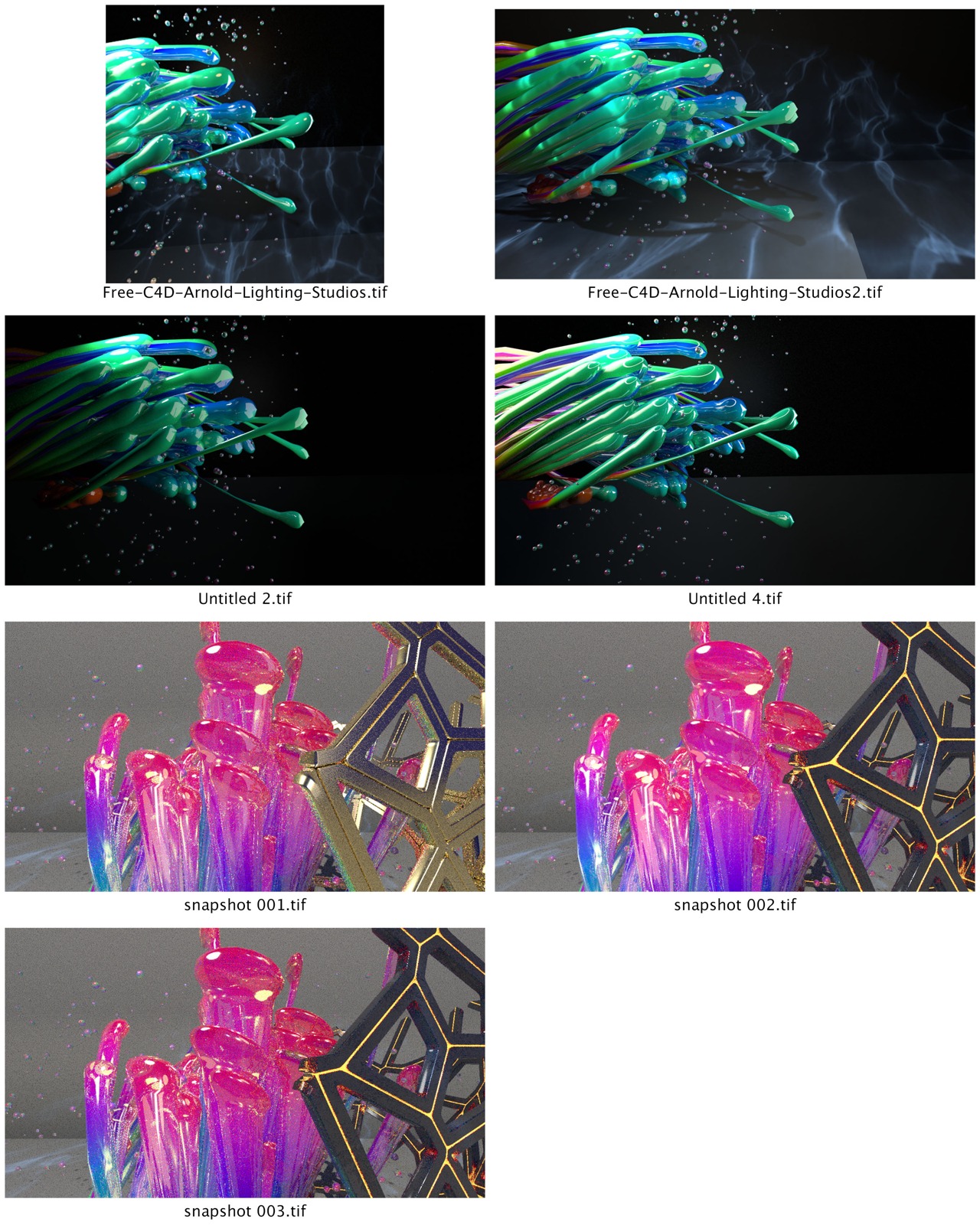
03 / Post-production — After Effects Compositing
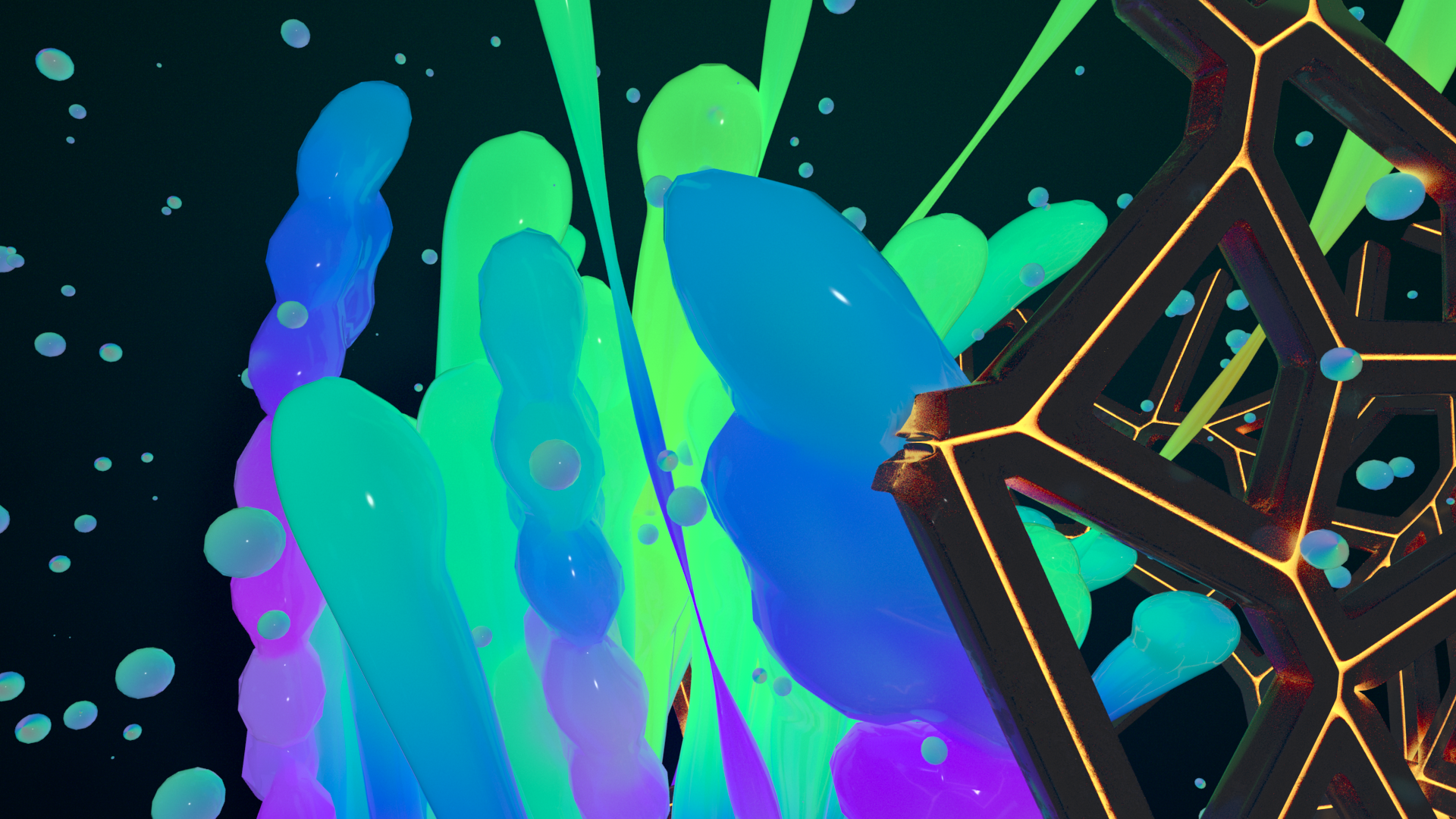
I composited the Arnold render passes in After Effects to develop the final look. Working with separate emission and transmission layers, alongside masks for the organic forms and framework, gave me control over the elements of the image during post-production.
Curves, Color Balance, and blur effects refined the tonal range, palette, and softness of the composite. This stage brought the rendered elements into a cohesive underwater atmosphere and carried the visual direction through to the finished styleframes.
The source layers rotate automatically beside the finished After Effects composite. Select any layer to explore it at your own pace.
Cinema 4D render passes After Effects compositing Final styleframe


